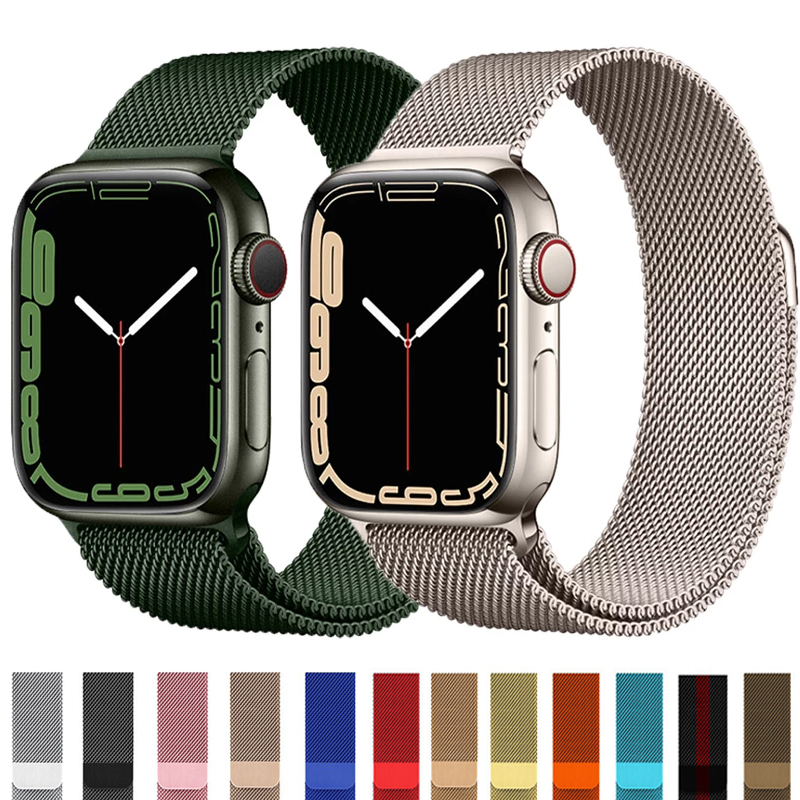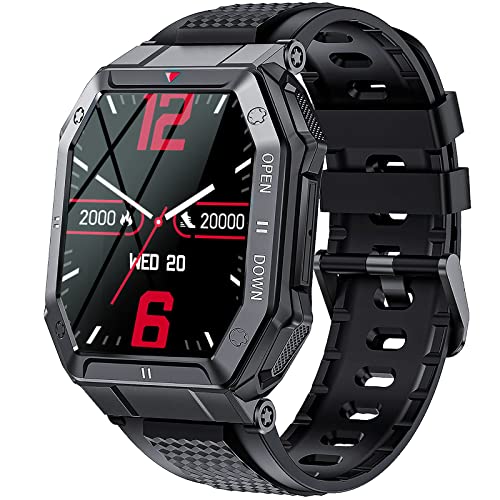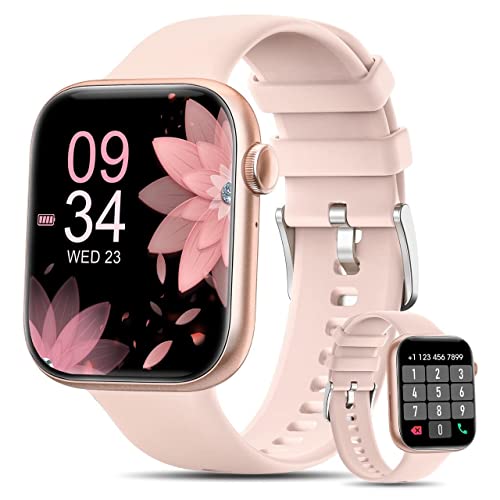
8 Series Smartwatch with Heart Rate & Blood Pressure
Tracking - Stay on Top of Your Health with Ease!
Product information
Product Review Score
4.9 out of 5 stars
207 reviewsProduct links
High blood pressure, also known as hypertension, affects millions of people worldwide. It is a common condition that can lead to serious health problems such as heart disease, stroke, and kidney failure. Monitoring blood pressure regularly is crucial for managing hypertension effectively. Traditionally, blood pressure monitors are bulky devices that require a cuff to be wrapped around the upper arm. However, with advancements in technology, wearable wrist blood pressure monitors have become increasingly popular. In this article, we will explore the benefits of using a wearable wrist blood pressure monitor.
Convenience and Portability
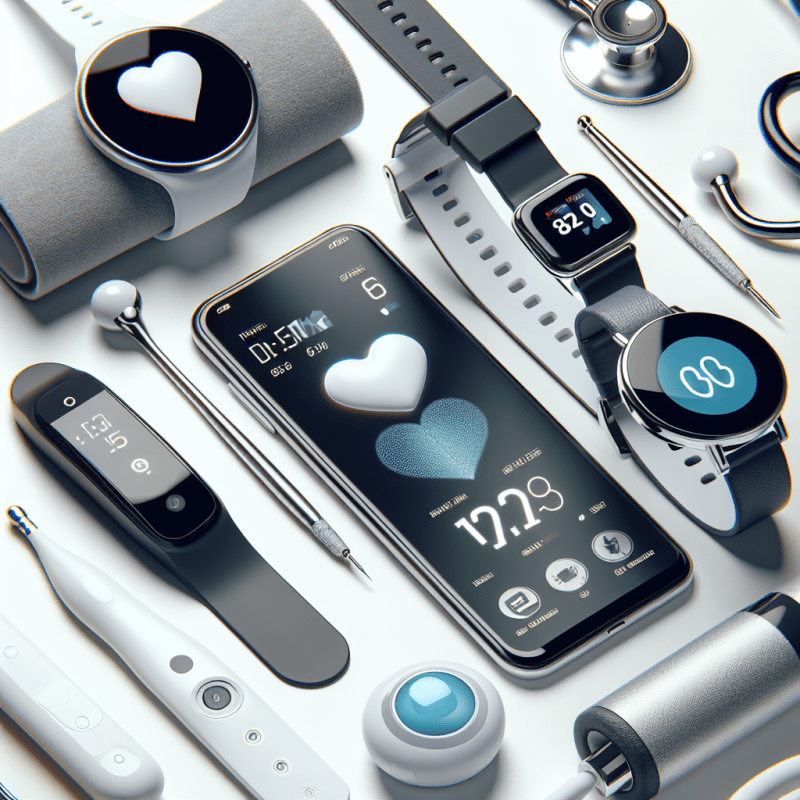
One of the major advantages of a wearable wrist blood pressure monitor is its convenience and portability. Unlike traditional blood pressure monitors, which require a cuff to be wrapped around the upper arm, a wearable wrist monitor is compact and can be worn on the wrist like a watch. This makes it easy to carry around and monitor blood pressure on the go. Whether you're at home, at work, or traveling, you can conveniently check your blood pressure anytime and anywhere.
Ease of Use
Another benefit of a wearable wrist blood pressure monitor is its ease of use. Traditional blood pressure monitors can be complicated to use, requiring proper placement of the cuff and manual inflation. In contrast, a wrist blood pressure monitor is simple and straightforward. You just need to strap it onto your wrist and press a button to initiate the measurement. The monitor will automatically inflate the cuff and provide accurate blood pressure readings on the display screen. This makes it accessible for people of all ages, including older adults who may have difficulty using traditional monitors.
Accurate Measurements
Accuracy is paramount when it comes to blood pressure monitoring. The good news is that wearable wrist blood pressure monitors are designed to provide precise measurements. These devices use advanced technology, including sensors and algorithms, to ensure accurate readings. However, it is important to emphasize that proper placement and following instructions is crucial for obtaining reliable results. It is recommended to follow guidelines provided by the manufacturer and consult with a healthcare professional if there are any concerns about accuracy.
Data Tracking and Analysis
Many wearable wrist blood pressure monitors are equipped with Bluetooth or wireless connectivity, allowing them to sync with smartphones or other devices. This feature enables users to track and analyze their blood pressure readings over time. By collecting and analyzing data, individuals can gain insights into their blood pressure patterns and make informed decisions regarding their health. Some devices even have accompanying mobile apps that offer additional features such as personalized recommendations, reminders, and the ability to share data with healthcare professionals.
Early Detection and Prevention
Regular blood pressure monitoring is essential for early detection and prevention of hypertension-related complications. By using a wearable wrist blood pressure monitor, individuals can closely track their blood pressure trends and identify any deviations from normal levels. This enables early intervention and lifestyle modifications, such as dietary changes, exercise, and stress management, to prevent the progression of hypertension and reduce the risk of associated health problems.
Conclusion
Awearable wrist blood pressure monitors offer numerous benefits compared to traditional monitors. They provide convenience and portability, ease of use, accurate measurements, data tracking, and analysis. By regularly monitoring blood pressure, individuals can detect hypertension early, make lifestyle modifications, and prevent serious health complications. However, it is important to note that wearable wrist blood pressure monitors should not be a substitute for professional medical advice. It is always recommended to consult with a healthcare professional for proper diagnosis, treatment, and ongoing management of hypertension.